
What is a Thermal Protector and Why is it Essential for Electrical Devices?
In today's fast-paced electrical and electronics industry, ensuring device safety is paramount. A Thermal Protector is a critical component designed to prevent overheating in electrical appliances, motors, and transformers. Overheating not only reduces the efficiency of devices but also poses significant fire hazards. This article explores the function, benefits, and technical specifications of Thermal Protectors, helping businesses and engineers make informed decisions when selecting them.
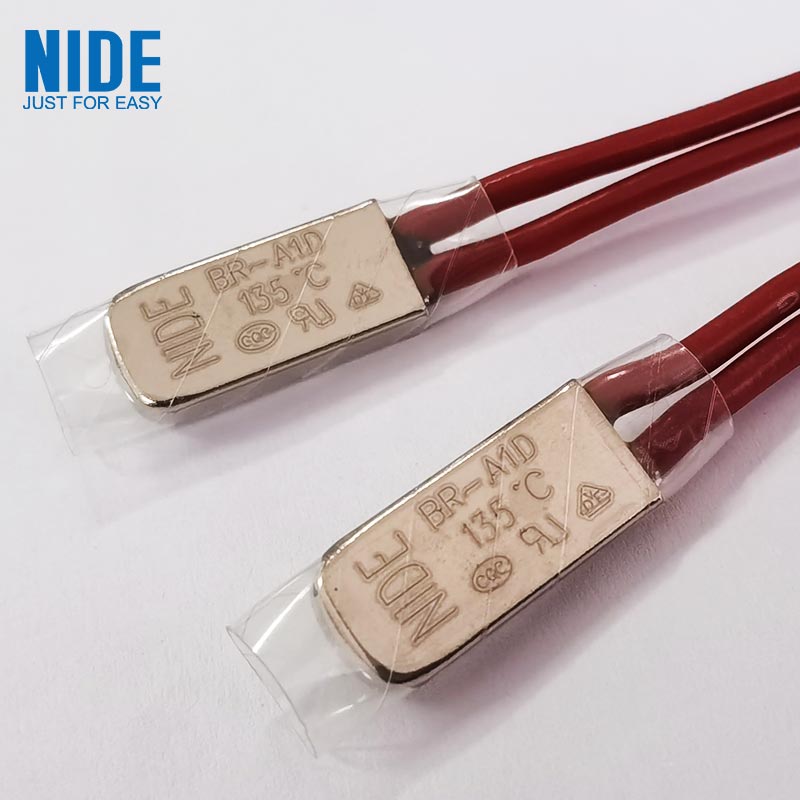
How Does a Thermal Protector Work?
A Thermal Protector works by monitoring the temperature of an electrical component. When the device reaches a predefined temperature limit, the protector automatically interrupts the electrical circuit, preventing overheating. Once the device cools down, the Thermal Protector may reset automatically or require a manual reset, depending on the design.
Key advantages include:
-
Device Protection: Prevents permanent damage to motors and appliances.
-
Safety Enhancement: Reduces risk of fire caused by overheating.
-
Energy Efficiency: Maintains stable operation without overloading.
What Are the Main Specifications of Thermal Protectors?
Choosing the right Thermal Protector requires understanding its technical parameters. Below is a summary of standard specifications typically offered by Ningbo Haishu Nide International Co., Ltd.:
| Parameter | Description |
|---|---|
| Operating Temperature | -10°C to 150°C (customizable options available) |
| Reset Type | Manual reset / Automatic reset |
| Rated Current | 1A to 30A (depending on device requirements) |
| Voltage Rating | AC 125V / 250V / DC 24V |
| Tolerance | ±5°C |
| Applications | Motors, Transformers, HVAC systems, Home Appliances |
| Dimensions | Customizable based on installation space |
| Material | High-temperature resistant plastics and metals |
These parameters ensure that the Thermal Protector is suitable for various industrial and household applications, offering both reliability and safety.
Which Type of Thermal Protector is Best for Your Device? Bimetallic vs Thermistor
When selecting a Thermal Protector, it is essential to understand the types available:
-
Bimetallic Thermal Protector
-
Uses a bimetal strip that bends when heated to break the circuit.
-
Advantages: Simple, cost-effective, highly reliable.
-
Ideal for motors, compressors, and transformers.
-
-
Thermistor-Based Thermal Protector
-
Uses a semiconductor to sense temperature changes and control the circuit.
-
Advantages: More precise, faster response, suitable for sensitive electronics.
-
Ideal for appliances with compact or high-precision requirements.
-
Comparison Table:
| Feature | Bimetallic Protector | Thermistor Protector |
|---|---|---|
| Accuracy | Moderate | High |
| Response Time | Slower | Faster |
| Cost | Lower | Higher |
| Application | Motors, HVAC | Electronics, Sensors |
Understanding the difference helps in selecting a Thermal Protector that aligns with both safety and operational requirements.
Why Should You Use a Thermal Protector in Your Electrical Equipment?
Integrating a Thermal Protector into electrical equipment ensures:
-
Prevention of Motor Burnouts: Motors often overheat under overload or stall conditions.
-
Fire Safety: Overheated components are a major cause of electrical fires.
-
Extended Equipment Life: Consistent temperature regulation prolongs device life.
-
Compliance: Many safety standards require thermal protection in electrical devices.
In short, a Thermal Protector is not just a safety accessory—it is a critical element for maintaining performance and compliance.
FAQ: Thermal Protector Common Questions
Q1: What devices can use a Thermal Protector?
A1: A Thermal Protector is versatile and can be used in motors, transformers, compressors, air conditioners, refrigerators, and many household appliances. It ensures these devices operate safely by interrupting power when overheating occurs.
Q2: How do I choose the correct Thermal Protector?
A2: Consider the operating temperature, rated current, voltage, reset type, and application environment. Ensure the protector's specifications match the device's requirements for optimal performance.
Q3: Can a Thermal Protector be reused after activation?
A3: Yes, depending on the type. Automatic reset protectors restore the circuit after cooling, while manual reset models require a physical reset. Selection depends on whether continuous protection or manual intervention is desired.
How to Install a Thermal Protector?
Installing a Thermal Protector is straightforward but must follow proper guidelines:
-
Identify the correct temperature rating for your device.
-
Disconnect power before installation.
-
Mount the protector directly on or near the component needing protection.
-
Connect the wiring according to the schematic.
-
Test the device to ensure the protector functions correctly under normal and overload conditions.
Proper installation maximizes safety and reliability while avoiding false trips or failures.
Which Applications Benefit the Most from Thermal Protectors?
-
Industrial Motors: Prevent motor winding damage from overcurrent and overheating.
-
Home Appliances: Safeguard refrigerators, air conditioners, and water heaters.
-
HVAC Systems: Ensure compressors and fans operate safely under heavy load.
-
Transformers and Electronics: Protect sensitive components in high-temperature environments.
Selecting the right Thermal Protector ensures both safety and long-term performance in any application.
Conclusion
A Thermal Protector is an essential component for electrical safety, efficiency, and compliance. Whether you need solutions for motors, household appliances, or industrial equipment, selecting the right protector with the correct specifications is crucial. Ningbo Haishu Nide International Co., Ltd. offers high-quality, reliable Thermal Protectors with customizable options to meet diverse requirements.
Contact Ningbo Haishu Nide International Co., Ltd. today to learn more about our range of Thermal Protectors and find the perfect solution for your devices.
Send Inquiry

X
We use cookies to offer you a better browsing experience, analyze site traffic and personalize content. By using this site, you agree to our use of cookies.
Privacy Policy