
What Is a Juicer Mixer Switch Motor Commutator?
This article explores the critical components and questions surrounding the juicer mixer switch motor commutator, expanding into topic-focused questions to provide a deep understanding of what it is, how it works, why it fails, and how to choose, maintain, and replace it. Industry context, engineering insights, and practical maintenance tips are included to align with EEAT excellence.
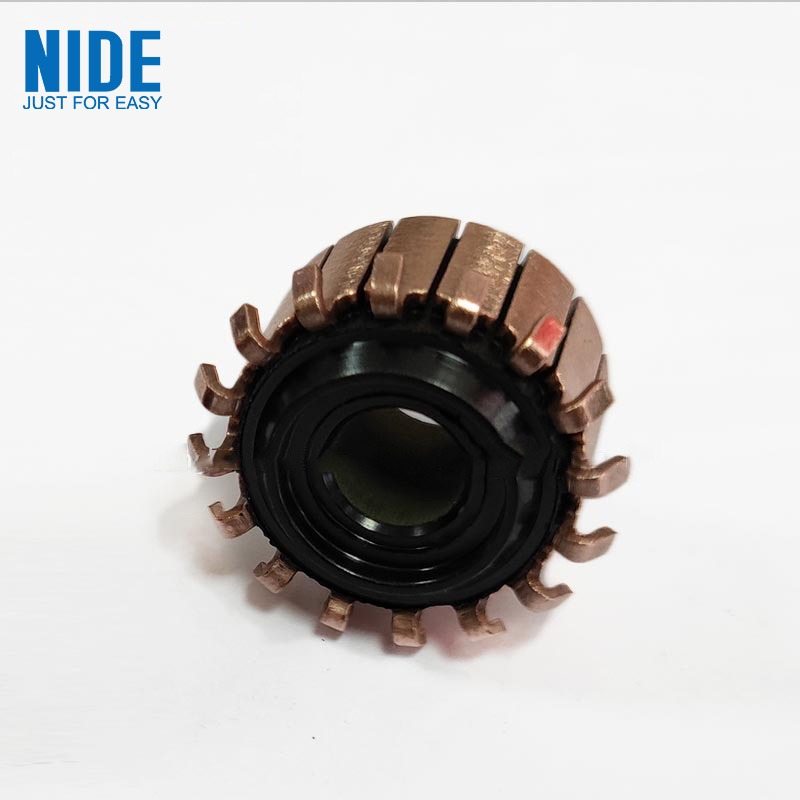
Table of Contents
- What Is a Juicer Mixer Switch Motor Commutator?
- How Does a Commutator Work Inside a Motor?
- Why Do Commutators Fail in Juicer Mixer Motors?
- Which Materials Are Best for Commutators?
- How to Maintain Your Juicer Mixer Commutator?
- What to Consider When Replacing a Commutator?
- FAQ: Juicer Mixer Switch Motor Commutator Questions
What Is a Juicer Mixer Switch Motor Commutator?
The commutator in a juicer mixer motor is a rotary electrical switch that periodically reverses current direction between the rotor (armature) and the external circuit. It is found in DC motors and universal motors used in many kitchen appliances, including juicers and mixers. The commutator works in conjunction with brushes to ensure smooth motor operation.
Understanding this component is essential for appliance engineers, repair technicians, and end users who want reliable performance and longevity in their devices.
How Does a Commutator Work Inside a Motor?
At its core, the commutator’s role is to reverse current at the right moment so the motor continues to spin in one direction. It consists of copper segments insulated from one another, mounted on the rotor shaft.
- Brushes make sliding contact with commutator segments.
- Current flows into the armature through brushes and commutator segments.
- Magnetic fields interact to produce torque (rotational force).
This interaction is continuous and carefully timed to maintain rotation and prevent sparking, overload, or failure.
Why Do Commutators Fail in Juicer Mixer Motors?
Commutators can fail due to:
- Brush Wear: Brushes wear down from continuous friction.
- Overheating: Excess load and friction generate heat that degrades components.
- Contamination: Dust, moisture, or food debris from juicing operations can hamper contact.
- Poor Materials: Inferior alloys or poor manufacturing quality accelerate wear.
Failure modes often include excessive sparking, uneven commutator surface, and motor stalling.
Which Materials Are Best for Commutators?
Choosing the right materials affects durability and performance. Below is a comparison of common commutator materials:
| Material | Durability | Cost | Performance |
|---|---|---|---|
| Copper | High | Medium | Excellent conductivity |
| Copper-Alloy | Very High | Higher | Superior wear resistance |
| Graphite Brushes | Medium | Low | Good for reduced sparking |
Copper-alloy commutators paired with high-quality brushes often yield the best balance of performance and longevity. This is why reputable manufacturers invest in superior components.
How to Maintain Your Juicer Mixer Commutator?
Regular maintenance can extend appliance life and reduce costly repairs. Key steps include:
- Cleaning: Remove dust and debris with compressed air.
- Visual Inspection: Check wear patterns on commutator segments.
- Brush Replacement: Replace brushes before they are completely worn.
- Lubrication: Apply appropriate bearing lubrication (never on commutator surface).
Periodic check-ups will catch wear early and optimize performance.
What to Consider When Replacing a Commutator?
When replacing a commutator in a juicer mixer:
- Compatibility: Ensure fit with your specific motor model.
- Quality: Choose OEM (Original Equipment Manufacturer) parts when possible.
- Manufacturer Reputation: Parts from established companies like Ningbo Haishu Nide International Co., Ltd. often provide better reliability.
- Warranty and Support: Look for parts backed by warranty and technical support.
These considerations reduce downtime and improve product longevity.
Frequently Asked Questions (FAQ)
What is a motor commutator used for?
It is a rotary switch that reverses current in the motor’s armature to produce continuous rotation.
Why does a juicer mixer commutator wear out?
Wear typically results from brush friction, overheating, and contamination from food debris in kitchen environments.
How often should I inspect the commutator?
Inspection every 3–6 months is recommended for frequent users; adjust based on usage intensity.
Can I replace the commutator myself?
Yes, if you have technical skills and the right tools, but professional service is advisable to avoid damage.
What makes a good commutator material?
Copper-alloy with high conductivity and wear resistance paired with quality brushes delivers ideal performance.
Does maintenance affect appliance efficiency?
Yes, routine maintenance like cleaning and brush replacement improves efficiency and prevents failure.
References
Industry engineering texts on DC motors and appliance design principles indicating commutator function and materials science.
[1] Electrical Machines and Drives — Principles, Modelling, and Control, Second Edition, by ~Authoritative Source.
Send Inquiry

X
We use cookies to offer you a better browsing experience, analyze site traffic and personalize content. By using this site, you agree to our use of cookies.
Privacy Policy